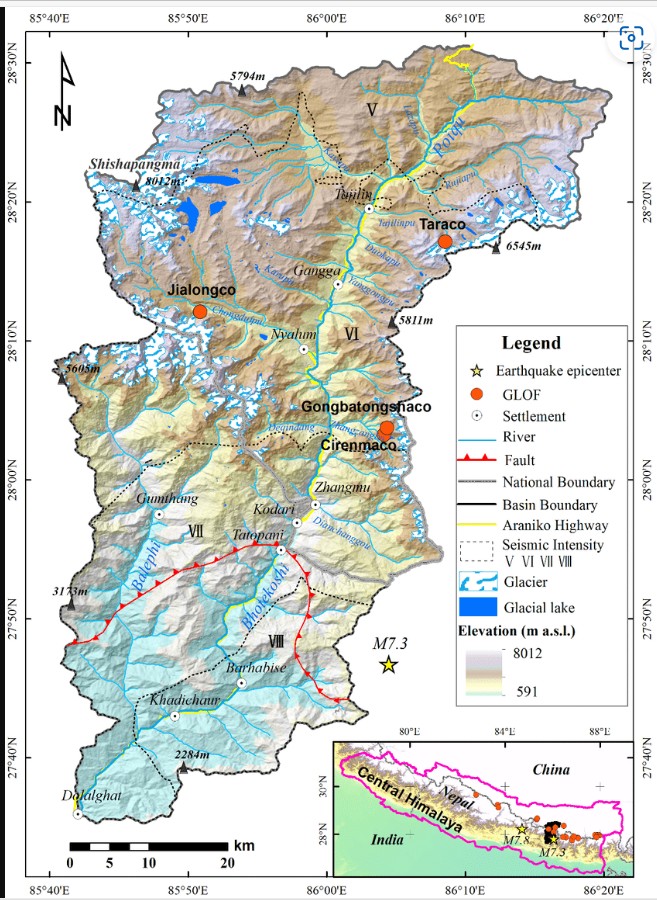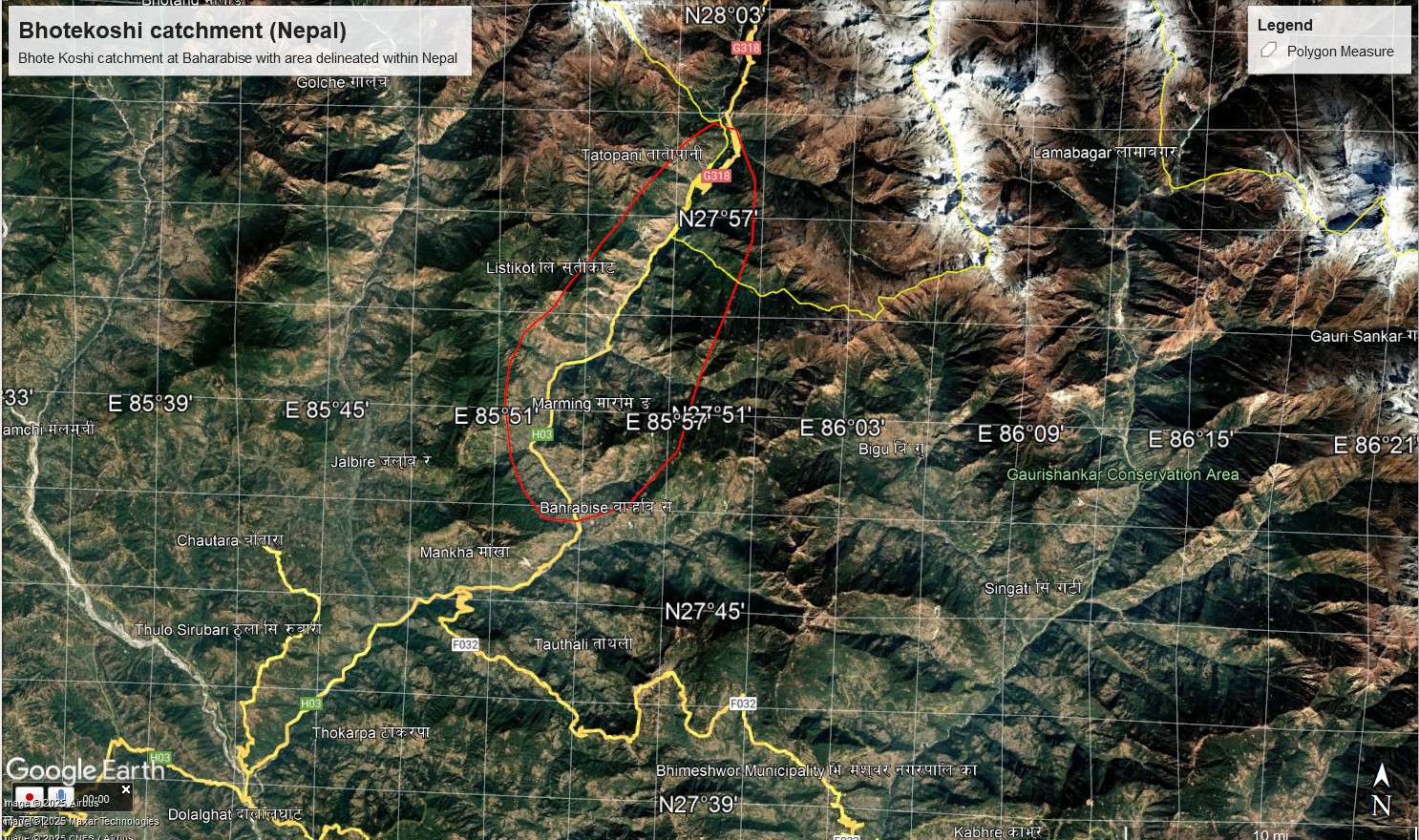


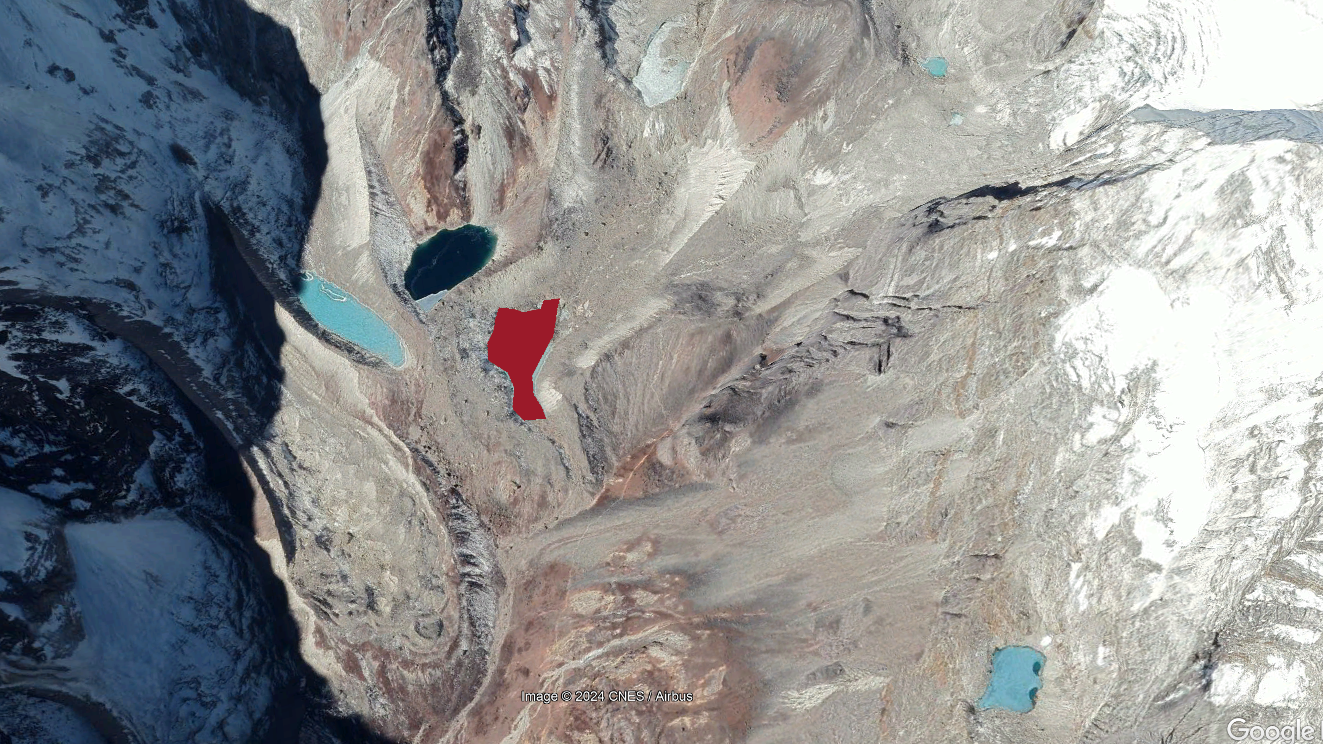
Transboundary rivers such as Koshi, Indus, Ganges and Brahmaputra flow through multiple countries presenting challenges for flood management and early warning systems. In 2016, a glacial lake outburst flood originating in the Xizang Region of China resulted in huge damage to the 45 MW Upper Bhote Koshi Hydropower project. In 2008, floods in the Koshi river impacted more than 4 million people living in the downstream and killing more than 500. The absence of effective coordination and information sharing between countries sharing a transboundary river basin hinders the development and implementation of robust early warning systems.
To minimize these impacts, a multi-faceted approach is essential, including enhancing early warning systems, improving infrastructure resilience, promoting sustainable land management, and implementing community-based disaster risk reduction strategies. In a data sparse region such as the Hindu Kush Himalayan (HKH) Earth observations from space are crucial to manage water resources for the benefit of people and the environment, to support in providing important forecasting services for better preparedness to prevent water-related disasters such as floods and droughts.
Has this problem been acknowledged in the past?
Yes, lack of early warning systems has led to adverse impacts due to floods with people killed and economic damage.
Can this challenge be solved using space technologies and data?
Yes, space technology can be used with satellite based precipitation, flood map and flood extent and space-based flood monitoring.
Expected timeframe to develop a solution
One year to develop flood extent maps, risk assessment in a selected basin to support the development of an early warning system.
Potential consequences if no action happens
People are killed and huge economic loss.
What are additional physical requirements for a solution?
Establishment of a hydrometeorological station