

Global Navigation Satellite Systems (GNSS)

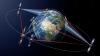
“Global Navigation Satellite Systems (GNSS) include constellations of Earth-orbiting satellites that broadcast their locations in space and time, of networks of ground control stations, and of receivers that calculate ground positions by trilateration. GNSS are used in all forms of transportation: space stations, aviation, maritime, rail, road and mass transit. Positioning, navigation and timing (PNT) play a critical role in telecommunications, land surveying, law enforcement, emergency response, precision agriculture, mining, finance, scientific research and so on. They are used to control computer networks, air traffic, power grids and more.” (UNOOSA, 2019)

Sources

"Global Navigation Satellite Systems (GNSS)". United Nations Office for Outer Space Affairs, UNOOSA. 2019.
http://www.unoosa.org/oosa/en/ourwork/psa/gnss/gnss.html.
Accessed February 13, 2019.

Related Content

Article

Interview with Prof. Emerita Kristine M. Larson

Prof. Larson’s career has been focussed on using the Global Positioning System, and more recently using GPS to measure hydrological parameters, such as water levels in lakes, rivers, and the ocean, soil water content, and the depth of snow. To innovate, she Emerita believes a willingness to be different is key. She feels strongly about bringing space technologies closer to people by communicating better the important role that space technologies play and by making measurements from satellites easier for people to access.

Rivers in the sky: atmospheric rivers, climate change and the role of space technologies

Atmospheric Rivers (ARs) are long, narrow corridors of moisture. They are an atmospheric phenomenon that transport massive amounts of water vapor across the globe. While they replenish water supplies and sustain ecosystems, ARs also pose significant flood risks, especially as climate change intensifies their impact. Recent studies indicate ARs are becoming more powerful, with increasing moisture transport and precipitation. Space technologies such as radio occultation (GNSS RO), passive microwave imager (e.g. SSMI/S), optical imagers (e.g. MODIS) and geostationary sensors (e.g. GOES) detect Ars, track their evolution and feed global forecast models. This article additionally outlines operational efforts such as Atmospheric River Reconnaissance and Forecast-Informed Reservoir Operations, where satellite-supported forecasts have been used to adjust reservoir releases and improve water storage without increasing flood risk. With a warming climate expected to increase the moisture carried by ARs, communities from coastal cities to mountain catchments have strong reasons to car. Better satellite data turns an invisible driver of both drought relief and flooding into actionable information for smarter water management.

Women, water and space: The first geospatial rally for women in rural aqueducts

Can you imagine a group of young women empowering other women using geospatial technology? From July 10 to 13 July 2019 in the First Geospatial Rally for Women in Rural Aqueducts took place, where 30 women from very different contexts met with the same goal, to build an empowering space, in the Nicoya Campus (north of Costa Rica) of the University of Costa Rica (UCR). This was done with the intention to learn from each other.

Space technologies' role in marine monitoring and management

Mapping and monitoring of the marine environment has been consistently reliant upon space-based technologies (Johannessen et al., 2006). Particularly tools targeting monitoring of human activity in the marine domain, marine resources such as marine protected areas and fish stocks, as well as marine environmental conditions, are extensively utilised by regulatory actors (Desaubies, 2006).

El rol de las tecnologías espaciales en la vigilancia y gestión del medio marino

El mapeo y la vigilancia del medio marino han dependido siempre de las tecnologías espaciales (Johannessen et al., 2006). En particular las herramientas destinadas a vigilar la actividad humana en el medio marino, los recursos marinos, como las zonas marinas protegidas y las poblaciones de peces, y las condiciones del medio marino (Desaubies, 2006). El objetivo de este artículo es ofrecer una serie de ejemplos de tecnologías espaciales que se utilizan para vigilar distintos aspectos del medio marino, ilustrando la amplia gama de aplicaciones disponibles.

Towards new applications of spaceborne technology on flood protection

Recently, in July 2021, destructive and deadly floods occurred in Western Europe. The estimated insured losses only in Germany could approach 5 billion Euros (AIR Worldwide, 2021). However, the total amount of the damage is currently not foreseeable due to the variety and complexity of the damage patterns and the unbelievable extent of the disaster. It seems the socio-economic losses will dramatically increase and break a new record in the insurance industry after evaluating the complete record of damages’ reports (see Figure 1).

天空中的河流:大气河流、气候变化与空间技术的作用

大气河流是狭长的水汽输送带,这种大气现象能在全球范围内输送大量水蒸气。尽管大气河流能补充水源和维持生态系统,但也带来重大洪涝风险。随着气候变化加剧其影响,这种风险尤为显著。最新研究表明,随着水汽输送和降水量的增加,大气河流正在持续增强。 全球导航卫星系统无线电掩星技术(GNSS RO)、特殊传感器微波成像仪/探测仪(SSMI/S)、中分辨率成像光谱仪(MODIS)及地球静止环境业务卫星(GOES)等空间技术,可实现对大气河流的探测、演变追踪,并为全球预报模型提供数据支撑。本文还概述了"大气河流侦察计划"及"预报指导型水库调度"等业务实践:通过卫星辅助的预报技术,水库得以在保障防洪安全的前提下优化泄流方案、提升蓄水能力。鉴于气候变暖将加剧大气河流的水汽输送,从沿海城市到山地流域的社区都迫切需要采取行动。更精准的卫星数据正将这种既缓解干旱又引发洪灾的隐形水文驱动因子转化为可操作信息,为智慧水资源管理提供支撑。

Women, water and space: The first geospatial rally for women in rural aqueducts

Can you imagine a group of young women empowering other women using geospatial technology? From July 10 to 13 July 2019 in the First Geospatial Rally for Women in Rural Aqueducts took place, where 30 women from very different contexts met with the same goal, to build an empowering space, in the Nicoya Campus (north of Costa Rica) of the University of Costa Rica (UCR). This was done with the intention to learn from each other.

Space technologies' role in marine monitoring and management

Mapping and monitoring of the marine environment has been consistently reliant upon space-based technologies (Johannessen et al., 2006). Particularly tools targeting monitoring of human activity in the marine domain, marine resources such as marine protected areas and fish stocks, as well as marine environmental conditions, are extensively utilised by regulatory actors (Desaubies, 2006).

Les Femmes, l'Eau et l'Espace : Le Premier Rallye Géospatial Dédié aux Femmes et aux Aqueducs Ruraux

Seriez-vous en mesure d´imaginer un groupe de jeunes femmes impliquées dans l´émancipation des femmes par le biais des technologies géospatiales ? Cela s´est passé du 10 au 13 juillet 2019 dans le premier rallye géospatial dédié aux femmes et aux aqueducs ruraux. Lors de cet évènement, trente femmes issues de contextes très différents se sont réunies avec le même objectif, construire un espace dédié à cette mission, sur le Campus de Nicoya (nord du Costa Rica) de l'Université du Costa Rica (UCR).

Towards new applications of spaceborne technology on flood protection

Recently, in July 2021, destructive and deadly floods occurred in Western Europe. The estimated insured losses only in Germany could approach 5 billion Euros (AIR Worldwide, 2021). However, the total amount of the damage is currently not foreseeable due to the variety and complexity of the damage patterns and the unbelievable extent of the disaster. It seems the socio-economic losses will dramatically increase and break a new record in the insurance industry after evaluating the complete record of damages’ reports (see Figure 1).

The role of Global Navigation Satellite Systems (GNSS) in water monitoring

Imagine a small coastal community at the periphery of a tropical storm. Hours before the first waves hit, an antenna smaller than a dinner plate begins detecting subtle changes in signal patterns from satellites thousands of kilometres overhead. Within minutes those changes reveal that the tide is rising far faster than normal. A sign of a storm surge. Warnings are issued and lives are saved.

Women, water and space: The first geospatial rally for women in rural aqueducts

Can you imagine a group of young women empowering other women using geospatial technology? From July 10 to 13 July 2019 in the First Geospatial Rally for Women in Rural Aqueducts took place, where 30 women from very different contexts met with the same goal, to build an empowering space, in the Nicoya Campus (north of Costa Rica) of the University of Costa Rica (UCR). This was done with the intention to learn from each other.

Space technologies' role in marine monitoring and management

Mapping and monitoring of the marine environment has been consistently reliant upon space-based technologies (Johannessen et al., 2006). Particularly tools targeting monitoring of human activity in the marine domain, marine resources such as marine protected areas and fish stocks, as well as marine environmental conditions, are extensively utilised by regulatory actors (Desaubies, 2006).

Les Femmes, l'Eau et l'Espace : Le Premier Rallye Géospatial Dédié aux Femmes et aux Aqueducs Ruraux

Seriez-vous en mesure d´imaginer un groupe de jeunes femmes impliquées dans l´émancipation des femmes par le biais des technologies géospatiales ? Cela s´est passé du 10 au 13 juillet 2019 dans le premier rallye géospatial dédié aux femmes et aux aqueducs ruraux. Lors de cet évènement, trente femmes issues de contextes très différents se sont réunies avec le même objectif, construire un espace dédié à cette mission, sur le Campus de Nicoya (nord du Costa Rica) de l'Université du Costa Rica (UCR).

El rol de las tecnologías espaciales en la vigilancia y gestión del medio marino

El mapeo y la vigilancia del medio marino han dependido siempre de las tecnologías espaciales (Johannessen et al., 2006). En particular las herramientas destinadas a vigilar la actividad humana en el medio marino, los recursos marinos, como las zonas marinas protegidas y las poblaciones de peces, y las condiciones del medio marino (Desaubies, 2006). El objetivo de este artículo es ofrecer una serie de ejemplos de tecnologías espaciales que se utilizan para vigilar distintos aspectos del medio marino, ilustrando la amplia gama de aplicaciones disponibles.

Les Femmes, l'Eau et l'Espace : Le Premier Rallye Géospatial Dédié aux Femmes et aux Aqueducs Ruraux

Seriez-vous en mesure d´imaginer un groupe de jeunes femmes impliquées dans l´émancipation des femmes par le biais des technologies géospatiales ? Cela s´est passé du 10 au 13 juillet 2019 dans le premier rallye géospatial dédié aux femmes et aux aqueducs ruraux. Lors de cet évènement, trente femmes issues de contextes très différents se sont réunies avec le même objectif, construire un espace dédié à cette mission, sur le Campus de Nicoya (nord du Costa Rica) de l'Université du Costa Rica (UCR).

El rol de las tecnologías espaciales en la vigilancia y gestión del medio marino

El mapeo y la vigilancia del medio marino han dependido siempre de las tecnologías espaciales (Johannessen et al., 2006). En particular las herramientas destinadas a vigilar la actividad humana en el medio marino, los recursos marinos, como las zonas marinas protegidas y las poblaciones de peces, y las condiciones del medio marino (Desaubies, 2006). El objetivo de este artículo es ofrecer una serie de ejemplos de tecnologías espaciales que se utilizan para vigilar distintos aspectos del medio marino, ilustrando la amplia gama de aplicaciones disponibles.

Interview with Prof. Emerita Kristine M. Larson

Prof. Larson’s career has been focussed on using the Global Positioning System, and more recently using GPS to measure hydrological parameters, such as water levels in lakes, rivers, and the ocean, soil water content, and the depth of snow. To innovate, she Emerita believes a willingness to be different is key. She feels strongly about bringing space technologies closer to people by communicating better the important role that space technologies play and by making measurements from satellites easier for people to access.
Event

Stakeholder

Zimbabwe National Geospatial and Space Agency

The Zimbabwe National Geospatial and Space Agency (ZINGSA) is a wholly owned Government of Zimbabwe entity, established under the Research act [Chapter 10:20]. It is responsible for designing, promoting, coordinating and conducting research and development initiatives that promote advances in Geospatial Sciences and Earth Observations, Space Engineering, Space Science, Aeronautical Engineering, Mechatronics, Satellite Communication Systems, Global Navigation Satellite Systems (GNSS), Land Positioning Systems, Unmanned Aerial Vehicles (UAV) and Launch of Satellites.

Center for Space Science and Geomatics Studies (CSSGS), Pashchimanchal Campus, Institute of Engineering (IOE), Tribhuvan University

The Center for Space Science and Geomatics Studies (CSSGS) is the research center with a focus on space science and geomatics applications in the following themes: disaster management, water quality, glacier, precision agriculture, air pollution, water pollution. Research areas also focus on the application of Global Navigation Satellite System (GNSS) in forestry, agriculture and engineering.