


Mangroves

“Mangrove forests are typically made up of trees, shrubs, and palms that have adapted to the harsh conditions of high salinity, warm air and water temperatures, extreme tides, muddy, sediment-laden waters, and oxygen-depleted soils. They are fertile nurseries for many marine species, and also serve as a first line of defense against hurricanes and tsunamis by dissipating wave and wind energy.” (Earth Observatory, 2010)

Sources

Earth Observatory. 2010. “Mapping Mangroves by Satellite.” Accessed April 11, 2025. https://earthobservatory.nasa.gov/images/47427/mapping-mangroves-by-satellite.

Related Content

Article

Interview with Deanesh Ramsewak, Assistant Professor at University of Trinidad and Tobago
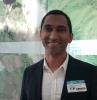
This interview introduces Deanesh Ramsewak, Assistant Professor in Practice at the University of Trinidad and Tobago, who is using geospatial and remote sensing tools to protect mangroves and coastal wetlands across Trinidad and Tobago and the wider Caribbean. He combines satellite data, drones, aerial imagery, field surveys, and machine learning to create practical and cost effective monitoring methods that help agencies and practitioners tackle habitat loss, sea level rise, erosion, flooding, and other climate impacts. He also contributes to the UN Ocean Decade Digital Twins of the Ocean initiative, promoting open data, transparent workflows, and stronger collaboration to build coastal resilience.

利用空间观测技术绘制小岛红树林分布图

Translated by Dr. Mengyi Jin

红树林因其自然景观和丰富的生物多样性而全球闻名,这一独特的生态系统在其所处的沿海环境中发挥着重要的作用。除了维持生物多样性,红树林还能有效抵御海岸侵蚀和风暴潮(Menendez et al. 2020),并具有很高的碳汇能力(Lovelock & Duarte 2019)。此外,红树林还有助于支持沿海居民生计, 维持海洋健康, 以及保护生物多样性(Dasgupta et al. 2022;Mallick et al. 2021)。尽管红树林在生态系统中具有关键作用,但据估算,自20世纪50年代以来,全球约有35%的红树林栖息地已被破坏或退化(Valiela et al. 2001)。受到人类活动和气候变化的影响,这一趋势预计仍将持续(Akram et al. 2023)。

Mapping mangrove forests on small islands using Earth observation technologies from space

Mangrove forests are known worldwide for the natural splendour and thriving biodiversity. These unique ecosystems provide critical functions for the coastal environments which they surround. Apart from their role in helping to maintain biodiversity they also provide stability and protective services against coastal erosion and storm surges (Menendez et al., 2020), have high capacity for carbon sequestration (Lovelock & Duarte, 2019). Moreover, they support livelihoods, ocean health and biodiversity (Dasgupta et al., 2022; Mallick et al., 2021,).

Interview with Deanesh Ramsewak, Assistant Professor at University of Trinidad and Tobago

This interview introduces Deanesh Ramsewak, Assistant Professor in Practice at the University of Trinidad and Tobago, who is using geospatial and remote sensing tools to protect mangroves and coastal wetlands across Trinidad and Tobago and the wider Caribbean. He combines satellite data, drones, aerial imagery, field surveys, and machine learning to create practical and cost effective monitoring methods that help agencies and practitioners tackle habitat loss, sea level rise, erosion, flooding, and other climate impacts. He also contributes to the UN Ocean Decade Digital Twins of the Ocean initiative, promoting open data, transparent workflows, and stronger collaboration to build coastal resilience.