


Science Communication

"Science communication describes a variety of practices that transmit scientific ideas, methods, knowledge and research to non-expert audiences in an accessible, understandable or useful way.  Science communication audiences should not require any prior interest or educational background in science, technology, engineering or mathematics (STEM). There is no limit to how to communicate science or who to communicate science to. It is a burgeoning field that is multidisciplinary in nature that may take from a wide range of communication disciplines and styles. Science communication includes academic study of communicating science to different publics that draws on a wide range of disciplines in the social sciences, humanities and sciences. This includes research, critiques and debates on models of science communication practiced by science communicators" (Newcastle University, n.a.).


Sources

Newcastle University. n.a. Science Communitcation. https://libguides.ncl.ac.uk/sciencecommunication [last accessed on 8 December 2021]

Related Content

Article

Interview with Margherita Bruscolini, Geospatial & Earth Scientist, Drone Pilot at RSS-Hydro

Margherita is an interdisciplinary Earth scientist and drone pilot with a background in geologic and environmental sciences. She has international experience working in fields such as Earth Observation (EO), remote sensing, drones & geospatial data analysis applied to the environmental and humanitarian sectors, sustainability and climate change. Margherita is passionate about natural and climate-related technologies that can be used to develop sustainable and long-lasting solutions. She is working for a more inclusive world (Women in Geospatial+), without any sort of geographical or social barriers. Keywords: Science communication, Climate Change, STEM, inclusivity, sustainability, nature, hydrosphere, hydrology, water risks, Earth Observation (EO), satellite data, flood modeling, vulnerability, resilience, lifelong learning  Region/Country mentioned: Temperate climates, Arid climates, Luxembourg, Niger  Relevant SDG targets: 1, 4, 6, 9, 11, 13, 17  

Interview with Stephanie Tumampos, PhD Student at Chair of Remote Sensing Technology, Technical University Munich
How do your professional career and/or your personal experience relate to space technologies and water?

My interest in water is deeply rooted in my personal life. I grew up on an island in the Philippines where a lot of people depend on water as a source of livelihood. From fishing in the open sea to fish breeding, water has always been a source of income at home. Aside from this, the small community where I grew up struggled with access to running water.

Register for the Participatory Workshop for Indigenous Women - apply for funding until 21 August

Are you an indigenous women or in touch with indigenous communities. Don't miss this chance to make the voices of indigenous women heard. We would like to contribute to closing the digital divide, as well as to raise the voices of indigenous women on their views realated to water and the environment.

Spread the word about this opportunity so we can reach as many Indigenous women as possible.

Interview with Stephanie Tumampos, PhD Student at Chair of Remote Sensing Technology, Technical University Munich

How do your professional career and/or your personal experience relate to space technologies and water?

My interest in water is deeply rooted in my personal life. I grew up on an island in the Philippines where a lot of people depend on water as a source of livelihood. From fishing in the open sea to fish breeding, water has always been a source of income at home. Aside from this, the small community where I grew up struggled with access to running water.
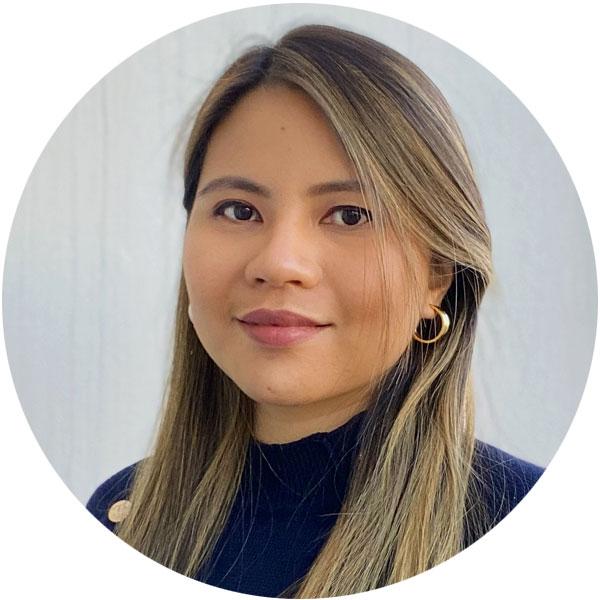
Interview with Margherita Bruscolini, Geospatial & Earth Scientist, Drone Pilot at RSS-Hydro

Margherita is an interdisciplinary Earth scientist and drone pilot with a background in geologic and environmental sciences. She has international experience working in fields such as Earth Observation (EO), remote sensing, drones & geospatial data analysis applied to the environmental and humanitarian sectors, sustainability and climate change. Margherita is passionate about natural and climate-related technologies that can be used to develop sustainable and long-lasting solutions. She is working for a more inclusive world (Women in Geospatial+), without any sort of geographical or social barriers. Keywords: Science communication, Climate Change, STEM, inclusivity, sustainability, nature, hydrosphere, hydrology, water risks, Earth Observation (EO), satellite data, flood modeling, vulnerability, resilience, lifelong learning  Region/Country mentioned: Temperate climates, Arid climates, Luxembourg, Niger  Relevant SDG targets: 1, 4, 6, 9, 11, 13, 17  

Person